Our Blog

Witch Halloween Treats Are Trickiest for Your Teeth and Braces?

October 30th, 2024

It’s that time of year again—Halloween! Carving pumpkins. Creating costumes. And, of course, collecting candy.

But some of the candies in that collection aren’t much of a treat for your teeth. When you’re deciding on the perfect pieces to choose from the candy cauldron, here are some tricks to identify the ones that can be more frightful than delightful for your tooth enamel and braces:   

  • Is It Chewy or Sticky?

Any sticky or chewy candy—caramels, taffy, licorice, gummy anythings—is candy that also sticks to your teeth. And it really sticks in between your teeth, where it’s harder to brush away.

The problem? Bacteria in plaque love sugar, and sticky candies provide them with hours of sugary feasting. Bacteria use this sugar to make acids, and acids cause weak spots in tooth enamel. These weak spots will get bigger over time as the bacteria keep on attacking your enamel, and that’s how you can end up with a cavity. Less sugar which spends less time on your teeth = fewer cavities!

And there’s another good reason to pass up chewy treats if you wear braces. Candy can get stuck under your brackets and wires, or be sticky enough to pull a bracket right off a tooth.

  • Is It Sour?

Sour candies get that intense, lip-puckering taste because they’re so acidic. What’s wrong with acids? Just like the acids made by bacteria, acids in food attack our tooth enamel, too.

Sour candies are hard on your teeth all by themselves. When you eat a candy that’s both sour (acidic) and gummy (sticky), all coated in sugar, that’s triple trouble!

  • Is It Hard or Crunchy?

Some kids like hard candies like lollipops and fruity drops because they last a long time. But that’s the problem. All that time a hard candy rolls around in your mouth is time spent bathing your teeth with sugar.

Thinking of shortening your sugar exposure by chewing hard candies? Also a bad idea! Crunching into a piece of hard candy can chip or crack a tooth and even damage fillings.

Crunchy treats can be hard on braces, too. Peanut brittle, nutty candy bars, candy apples, popcorn balls, or any hard or crunchy candy can damage your brackets and wires when you bite down.

Luckily, there are healthier trick-or-treating choices if you know what to look for. 

  • Soft Candies and Chocolates

A chocolate bar, a peanut butter cup, mint patties, and other soft candies won’t stick around on your teeth the same way chewy or hard candies do. No sour acids, either. And because dark chocolate has less sugar than lighter chocolates, it’s an even healthier choice.

Bonus: They’re easy to bite and chew when you wear braces!

  • Sugar-Free Gum

This treat is not only sugarless, but chewing it helps us make more saliva. Saliva washes away sugary food particles and helps neutralize the acids in the mouth. If you wear braces, check with Dr. Todd Hamilton and Dr. Bryan Whitecotton to see if sugar-free gum is safe for your brackets and wires.

No need to skip the trick-or-treating this year. Occasional sugary or acidic treats can be balanced out with daily brushing and flossing, a healthy diet, and regular visits to your dentist for exams and cleanings. When you do enjoy a treat that’s sugary or acidic, there are tricks to help you keep your smile healthy and cavity-free.

  • Eat a treat or two with your meals instead of snacking through the day. You won’t be exposing your teeth to sugar for hours at a time, which means bacteria and acids won’t be haunting your enamel all day long.
  • Drink water. If you eat your candy with an acidic soda, you’re getting sugar + sugar + acids. That’s a scary recipe when it comes to healthy teeth! Water helps wash away sugar and acids—and, if you have fluoridated water in your community, you’ll be getting a bit of fluoride to strengthen your enamel, too.
  • Halloween is no time to ghost your toothbrush and floss. Be extra careful to brush and clean between your teeth after eating sweets. Wearing braces? Don’t forget to clean around your brackets and wires. Using aligners? Be sure to brush well after you eat something sugary before you replace them.

If you’re wearing braces this Halloween season, it’s important to avoid all the sticky, hard, and crunchy treats to keep your braces and your treatment schedule intact.

Any questions? Talk to Dr. Todd Hamilton and Dr. Bryan Whitecotton at our Denver, NC office to learn the best ways to keep your smile looking boo-tiful all year long!

The Effects of Biting Your Nails

October 23rd, 2024

Also known as onchophagia, the habit of nail biting is one of the so-called “nervous habits” that can be triggered by stress, excitement, or boredom. Approximately half of all kids between the ages of ten and 18 have been nail biters at one time or another. Experts say that about 30 percent of children and 15 percent of adults are nail biters, however most people stop chewing their nails by the time they turn 30.

Here are four dental and general reasons to stop biting your nails:

1. It’s unsanitary: Your nails harbor bacteria and germs, and are almost twice as dirty as fingers. What’s more, swallowing dirty nails can lead to stomach problems.

2. It wears down your teeth: Gnawing your nails can put added stress on your pearly whites, which can lead to crooked teeth.

3. It can delay your orthodontic treatment: For those of our patients wearing braces, nail biting puts additional pressure on teeth and weakens roots.

4. It can cost you, literally: It has been estimated that up to $4,000 in extra dental bills can build up over a lifetime.

Dr. Todd Hamilton and Dr. Bryan Whitecotton and our team recommend the following to kick your nail biting habit:

  • Keep your nails trimmed short; you’ll have less of a nail to bite.
  • Coat your nails with a bitter-tasting nail polish.
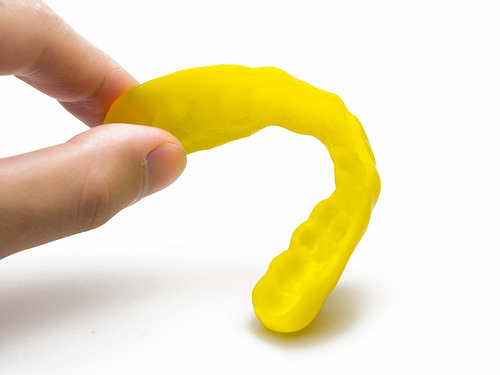
  • Ask us about obtaining a mouthguard, which can help prevent nail biting.
  • Put a rubber band around your wrist and snap it whenever you get the urge to gnaw on your nails.
  • Think about when and why you chew your nails. Whether you are nervous or just bored, understanding the triggers can help you find a solution and stop the habit.
  • If you can’t stop, behavioral therapy may be an effective option to stop nail biting. Ask Dr. Todd Hamilton and Dr. Bryan Whitecotton and our team for a recommendation.

Braces-Friendly Recipe: Lunch

October 17th, 2024

Getting braces comes with a lot of rules. No sticky candies, watch out for popcorn, and steer clear of chips. These rules leave many braces-wearers wondering what they can still eat without hurting their teeth or their expensive orthodontic appliances. Fortunately, constructing a braces-friendly lunch is straightforward once you know which foods to avoid.

Foods to Avoid When Wearing Braces

There are a few food categories to avoid when you have braces. Sticky foods also stick to the metal in your braces, and can potentially break wires or individual braces. For example: bubblegum, candy bars, caramel, licorice, fruit roll-ups, and Starbursts should be avoided. Many of these foods also contain high levels of sugar, which can cause plaque build-up if not brushed away properly.

Also, be wary of hard foods that can harm your orthodontic appliances. Avoid eating hard taco shells, chips, Rice Crispy treats, hard candy, beef jerky, and popcorn. Some healthy foods, such as carrots, apples, corn on the cob, and nuts, are hard on braces. To eat these foods safely, cut them into smaller pieces before eating.

Remember that certain habits may be harmful to your braces. For example, crunching on ice cubes may be a reflexive response when you’re enjoying a cold beverage, but this can significantly harm your braces and extend treatment time. To stay on the safe side, Dr. Todd Hamilton and Dr. Bryan Whitecotton and our team at Hamilton and Whitecotton Orthodontics recommend you drink beverages without ice or add crushed ice whenever possible.

Lunch Recipe

Even with braces, it’s easy to enjoy a healthy, nutritious lunch. For example, make a panini on whole wheat bread with slices of turkey deli meat, a piece of Swiss cheese, and tomato slices. Spread 1 tbsp. of mustard or mayonnaise on the bread before toasting the sandwich in a panini grill. Serve the panini with ½ c. low-fat cottage cheese and a sliced pear or apple for a balanced meal. Then grab a pudding cup or some JELLO for dessert. Wash it all down with water containing a lemon wedge or all-natural fruit juice. Make sure to brush your teeth or rinse with mouthwash after lunch to wash away sugars and food residue that can get trapped in braces and cause decay.

If you have any questions about what you can and can’t eat with braces during your treatment at Hamilton and Whitecotton Orthodontics, be sure to ask our team during your next appointment at our Denver, NC office!

Not-So-Sweet Sweets: The five worst candies to eat during orthodontic treatment

October 9th, 2024

Sticky, hard, and gooey: these candies fill your dopamine receptors with spasms of sugar-filled joy, but if you’re undergoing orthodontic treatment at Hamilton and Whitecotton Orthodontics to straighten your teeth, then these sweets are not so sweet. While you may have a Willy-Wonka-sized sweet tooth, there are some candies you’re going to have to avoid while wearing braces.

Here are five bracket- and wire-destroying culprits that Dr. Todd Hamilton and Dr. Bryan Whitecotton and our team recommend leaving on the candy aisle and not put in your mouth, no matter how tempting they may be.

  1. Gum is sticky and stringy. It can get tangled like fishing net in your braces. You don’t want to be that boy or girl trying to pull knots of Wrigley’s out of your braces without being seen.
  2. All chewy, gooey candies need to be avoided. When you’re wearing braces, don’t even think about putting a caramel candy in your mouth. Caramel will not only stick to your braces, making it look as if you haven’t brushed your teeth in a week, but the gooey texture can pull apart the wires, and trigger an emergency visit to Hamilton and Whitecotton Orthodontics.
  3. Hard candy may seem like a safe choice, but it’s not. What’s the problem? Nobody ever just sucks on hard candy; sooner or later, we bite down on it. Biting a hard candy may cause part of your braces to snap. Furthermore, once the candy is broken into a bunch of little pieces, it’s not uncommon for one of those sugary shards to get wedged between your braces and teeth … and that’s a cavity waiting to happen.
  4. The taffy you enjoy getting at a seaside boardwalk is going to have to go on the back burner. Like caramel, taffy can pull apart and damage your braces. You don’t want to have your expensive orthodontic gear replaced.
  5. Please, just one lollipop? Nope. A lollipop is nothing more than hard candy on a stick. If you can’t have hard candy during orthodontic treatment, then you shouldn't have hard candy on a stick either.

Have any more questions about what you can and can’t eat when you have braces? Please give us a call at our convenient Denver, NC office to learn more, or ask Dr. Todd Hamilton and Dr. Bryan Whitecotton during your next adjustment visit!

(704) 822-0320